Students experience the realities of modern working life, including the pressures, the unpredictability, the teamwork and the responsibility that cannot be fully replicated on a screen.
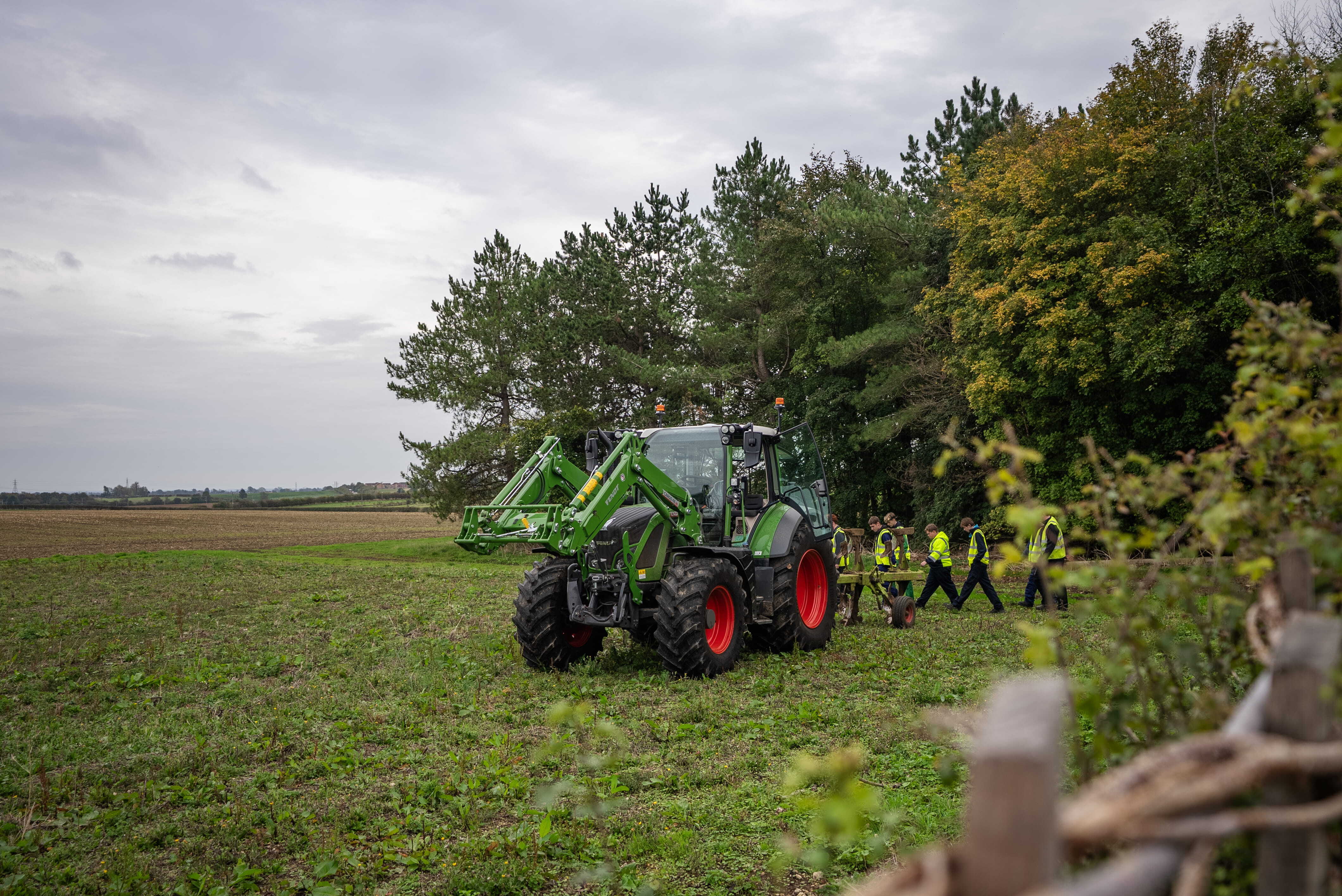
On the farm, learners work with livestock, crops and precision technology in a commercial setting.
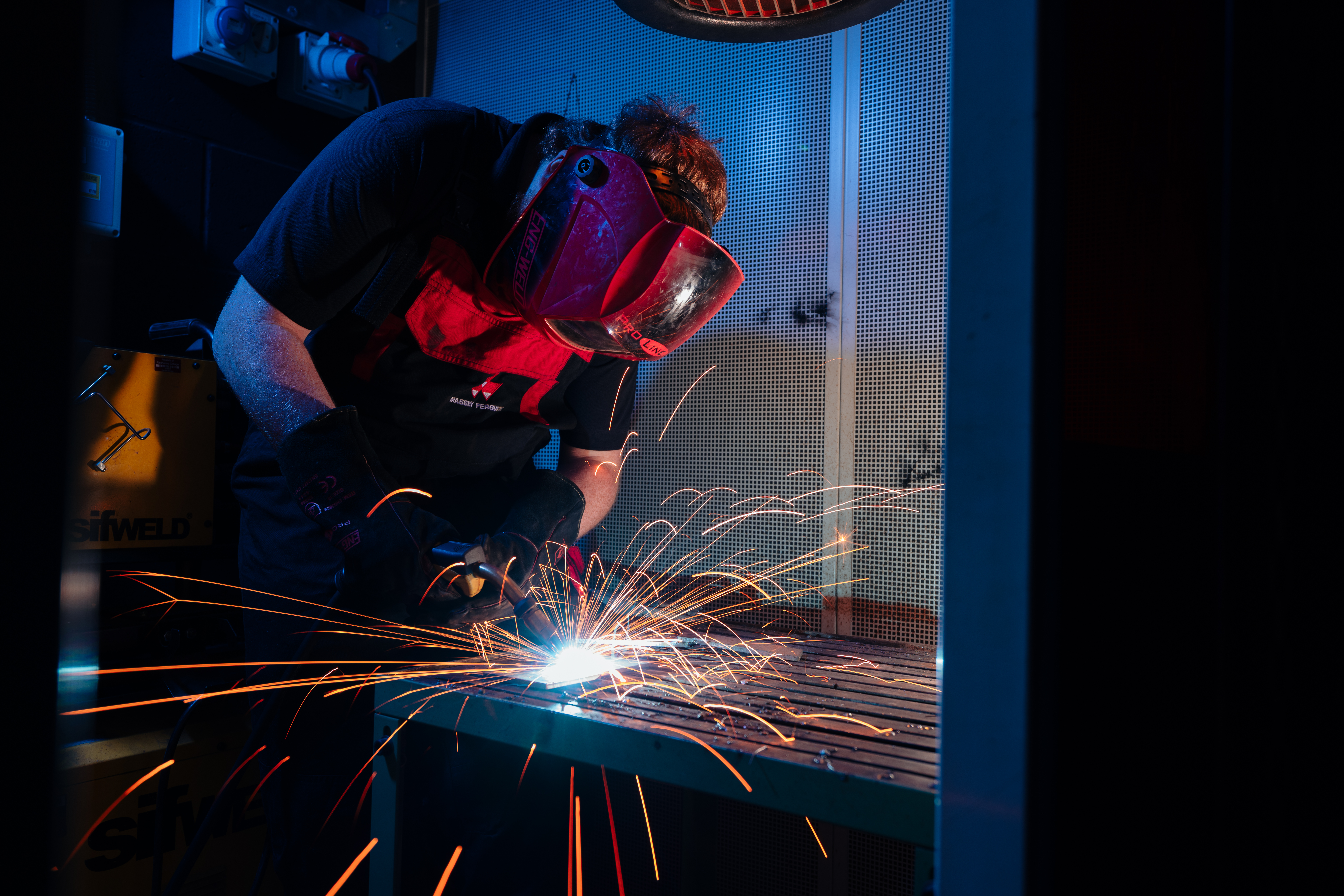
In engineering workshops, they develop practical skills using industry-standard equipment.
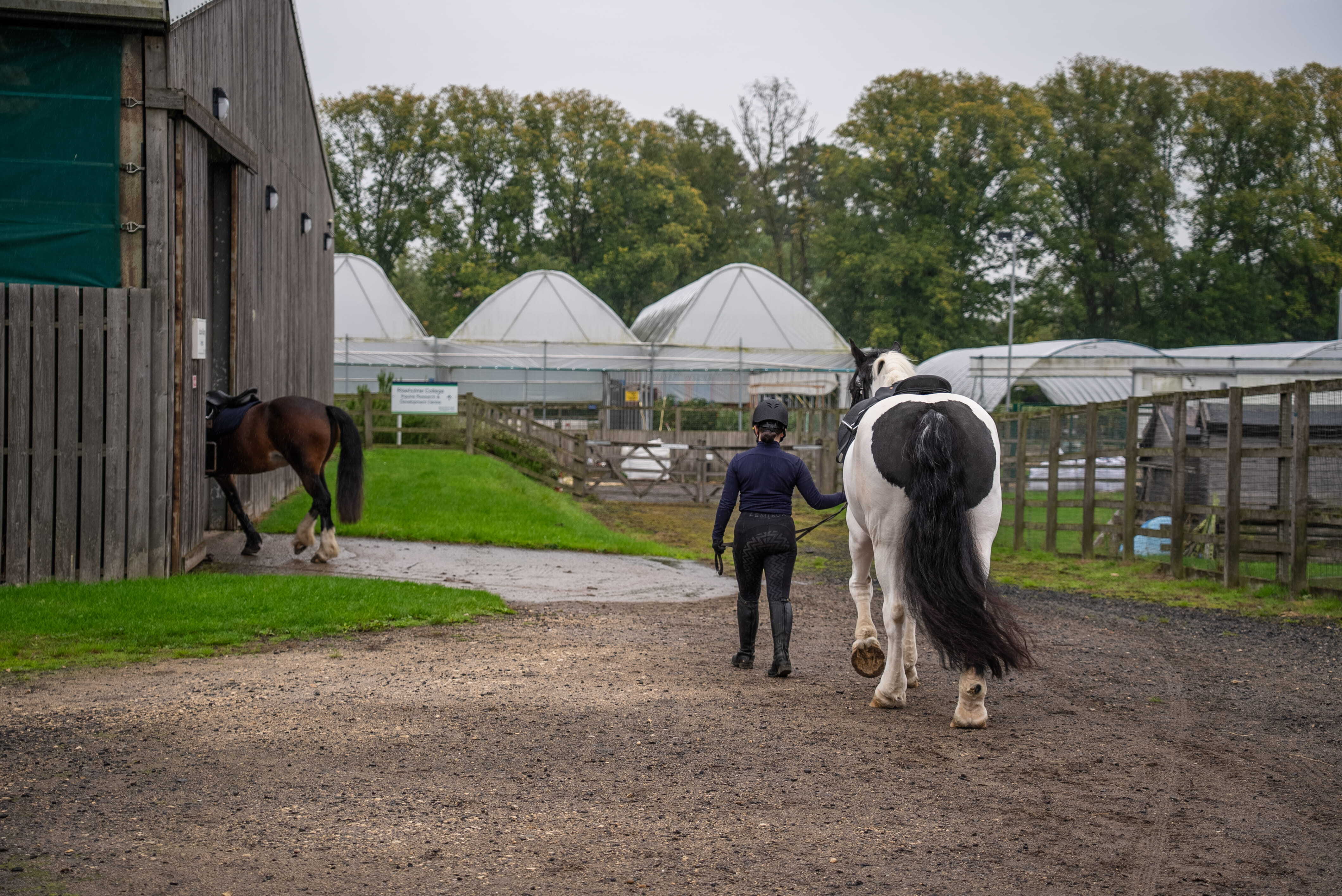
In animal management and equine facilities, they learn welfare, handling and professionalism through direct experience.
These environments build competence, resilience and confidence – qualities employers value just as highly as digital skills.
The future workforce will need both.
A farm technician may use AI-driven data to inform decisions, but they still need practical husbandry skills.
An engineer may train using VR, but must be able to apply that knowledge safely on the workshop floor.
Technology enhances learning, but it does not replace the need to understand how work happens in the real world.
Curriculum planning must therefore strike the right balance. At Bishop Burton, digital innovation and practical delivery are designed together, informed by employers and industry partners.
Technology is embedded where it adds value, while hands-on experience remains central to developing work-ready skills.
As colleges, we should be ambitious about embracing innovation – but equally confident in defending the importance of practical learning.
The challenge is not choosing between technology and tradition, but combining them intelligently.
If we get that balance right, we will equip learners with the adaptability, confidence and competence needed to succeed in an increasingly complex world of work – now and in the future.
Danny Metters, Principal and Chief Executive of Riseholme College